The peptides the NHS won't prescribe
Two-year waits and four-figure clinics have pushed thousands into a fast-moving grey market. How it works, who's really in it, and what's coming next.
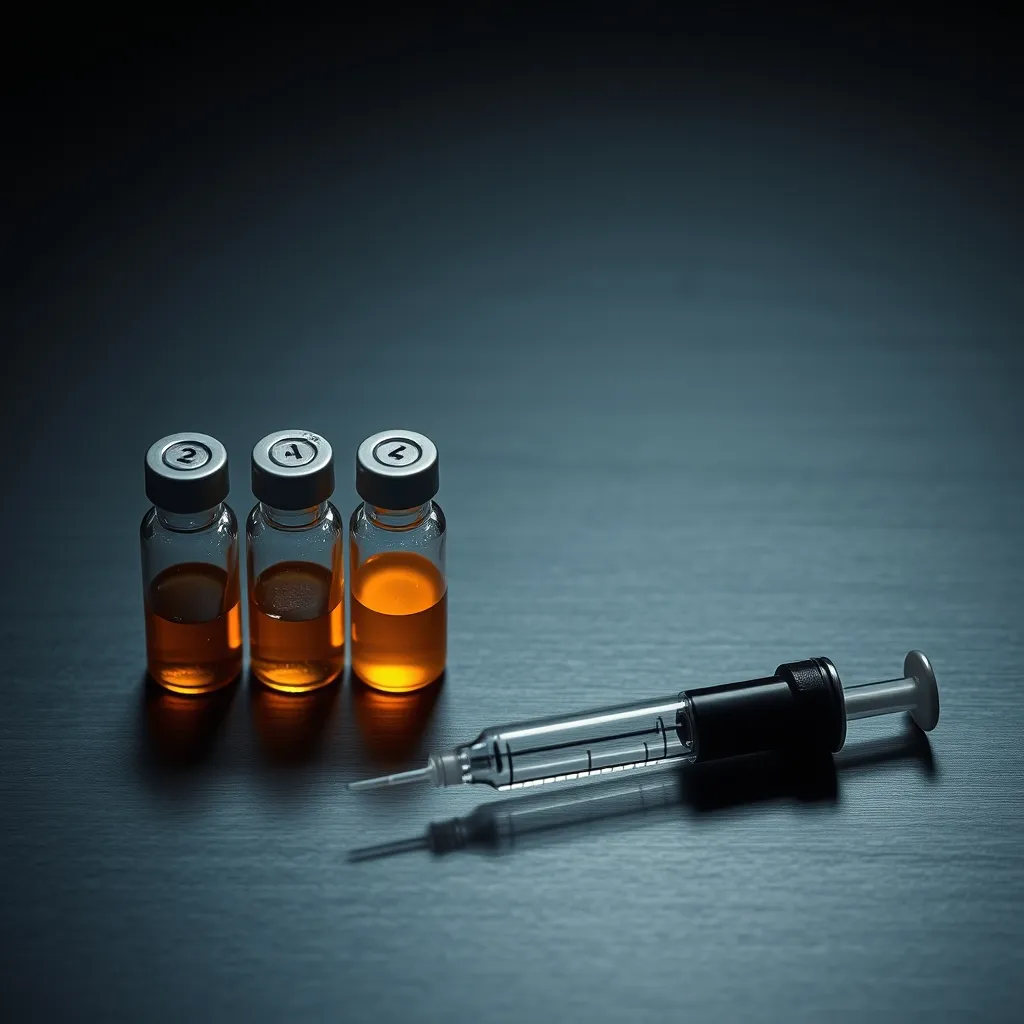
The Story
A few years ago, “where to buy peptides” returned nothing useful. Now it returns a world. Telegram channels tens of thousands of members deep. Shared spreadsheets ranking suppliers on price and purity. Group buys, third-party lab tests, reconstitution guides written like recipes. People swap BPC-157 and tirzepatide the way an earlier generation swapped MP3s. Most of them are not reckless. They are people who did the maths on the official route and walked away.
Why It Matters
The NHS began rolling tirzepatide out for weight loss in 2025, but on a phased plan stretching across years, with most people nowhere near eligible. A private prescription runs to hundreds of pounds a month. The grey market undercuts both by roughly an order of magnitude. So demand floods sideways, and the figures stopped being small a while ago. Chainalysis tracked crypto paid to grey-market peptide vendors climbing from about $1m a quarter through most of 2024 to roughly $32m in the first quarter of 2026. US customs recorded Chinese shipments of these compounds rising past $300m in a single stretch of 2025. This is a parallel supply chain now, running in plain sight.
Who’s In It
The shape of it surprises people. At the centre sit big self-sourcing communities, the largest with tens of thousands of members, where newcomers are walked through the basics and pointed at “trusted” vendors. Around them orbits a small economy of testing labs the community uses to check what they’ve actually been sent. The buyers are not who the headlines imply. Plenty are middle-aged, employed, and cautious by temperament. They read the studies, argue about half-lives, and treat a vendor’s lab certificate as seriously as a wine buyer treats a vintage.
The Caveat
Reporting this is not endorsing it. The compounds arrive as raw powder with no regulator standing behind them. Purity swings wildly between batches, and the dosing is educated guesswork. Some of these molecules have real human trials behind them; others rest on a few rodent studies and a forum thread. We will tell you what the evidence says, compound by compound, and grade it honestly. We will not tell you how to source anything, or what to take. That line is the whole point of doing this as journalism.
What’s Next
Regulators are tightening their grip. With the official shortage over, the FDA has moved against compounded GLP-1s; customs is seizing more powder at the border. History suggests pressure like that pushes a market this size further underground rather than shutting it. The quieter questions are the interesting ones. Does community lab-testing get good enough that grey-market quality starts to rival the pharmacy? Do the biggest channels harden into something that looks like a real business, with reputations to protect? And at what point does a parallel system this large stop being a fringe curiosity and become the actual story of how a lot of people get their medicine.
↳ serves Truth #2 & #3 — report what's actually happening; people aren't reckless, the system priced them out.
Comments
House rules: argue hard, stay civil. No sourcing, dosing, or where-to-buy — comments that cross into vending are removed (the same line we hold ourselves to).